AI-assisted briefing
Solar Supply Chain Outlook 2026: What Global Buyers Should Watch
A qualitative briefing for distributors, EPC firms, and importers sourcing solar from China — demand, pricing dynamics, and how to qualify suppliers.
A qualitative briefing for distributors, EPC firms, and importers sourcing solar from China — demand, pricing dynamics, and how to qualify suppliers.
Solar remains one of the most active sourcing categories for global buyers. As 2026 approaches, the supply chain is shaped by maturing manufacturing capacity in China, shifting policy incentives in key markets, and growing interest in pairing solar with storage. This AI-assisted briefing summarizes what buyers should watch — in qualitative terms, without pretending to predict exact figures.
Demand is broad-based rather than concentrated in a single segment. Residential and small-commercial rooftop systems continue to attract distributors serving homeowners and SMEs, while utility-scale projects move forward in sun-rich regions with supportive grids and interconnection capacity. Emerging markets across Southeast Asia, the Middle East, Africa, and Latin America are adding meaningful volume as electrification and simpler system designs lower the entry barrier for new installers.
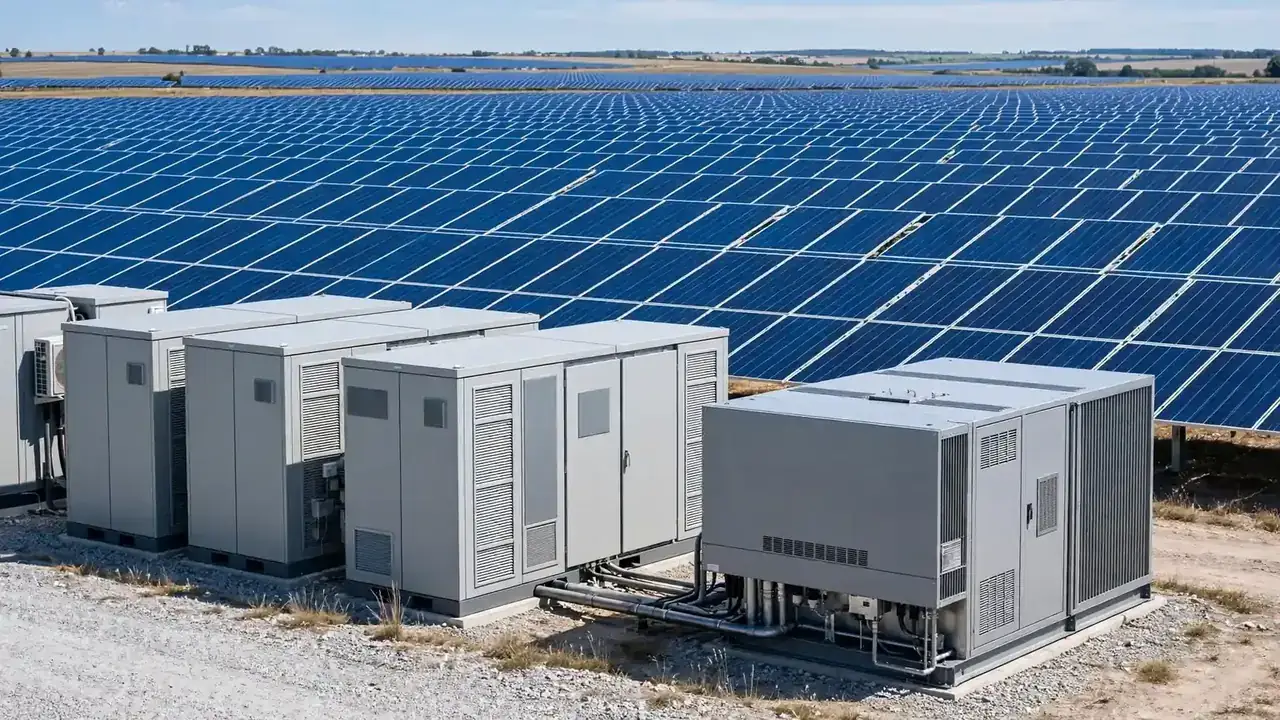
A notable shift is the bundling of solar with battery storage: buyers increasingly ask for complete kits rather than modules alone. That changes how suppliers package, certify, and support their products — and it rewards buyers who evaluate the whole system, not just the panel datasheet.
Module pricing has faced sustained downward pressure from ample manufacturing capacity, and competition among suppliers remains intense. For buyers, that means attractive headline pricing — but also a wider spread in build quality, so the cheapest quote deserves extra scrutiny rather than an automatic win. Freight and logistics continue to add variability to landed cost, especially on smaller or split shipments where per-unit shipping weighs more heavily. Storage pricing moves with cell supply and system integration costs; integrated solar-plus-storage kits can simplify the math for buyers but make like-for-like supplier comparison harder.
Start with documentation, not price. Verify datasheets and test reports against the exact model you will receive, and confirm certifications — such as CE, TÜV, UL, or ISO 9001 — with the issuing bodies rather than relying on PDFs alone. Get warranty terms in writing: product and performance coverage, the claims process, and who honors them in your market. If volumes justify it, arrange a factory audit, on site or through a third-party inspector, and check export references in your region. Clarify Incoterms and payment terms early, and confirm after-sales support before you order: spare-parts availability, monitoring apps in your language, and a named contact for claims.
Good questions surface risk before money moves. Ask about lead times at your target volume, minimum order quantities, and whether OEM or private-label options exist. Confirm which certifications cover the specific models you want — not just the company in general — and how warranty claims are actually processed when something fails in the field. Ask who provides local or remote technical support, whether the monitoring platform supports your language, and how container loading and delivery schedules are planned. Finally, ask for two or three export references you can contact directly: responsive suppliers treat this as routine, and evasive ones tell you everything you need to know.
Browse the Energy & Power channel to explore sample digital showrooms, or submit a sourcing inquiry describing what you need.